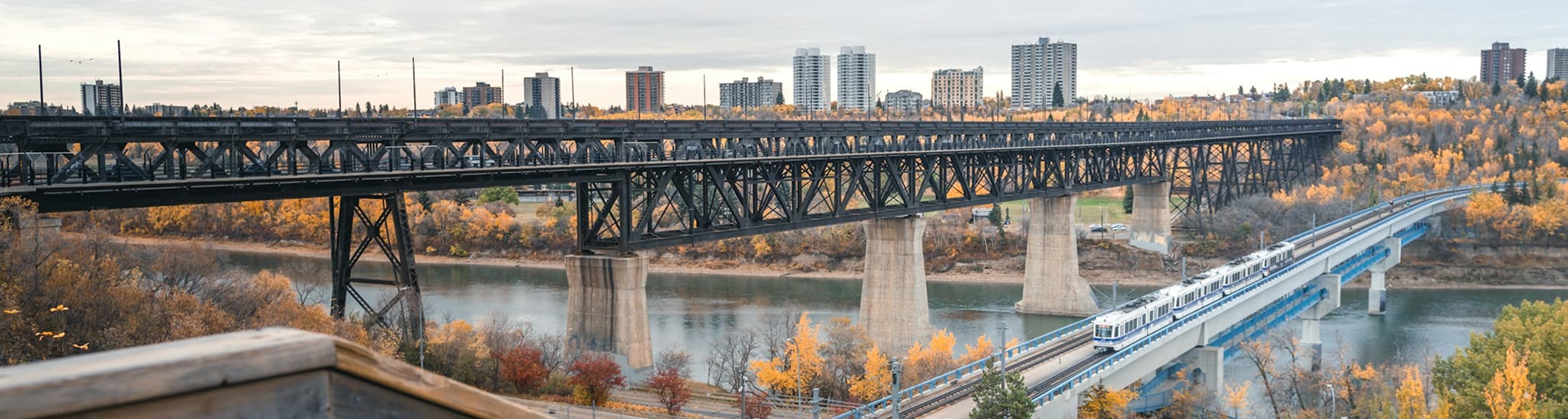
Discover the Spirit of Jasper
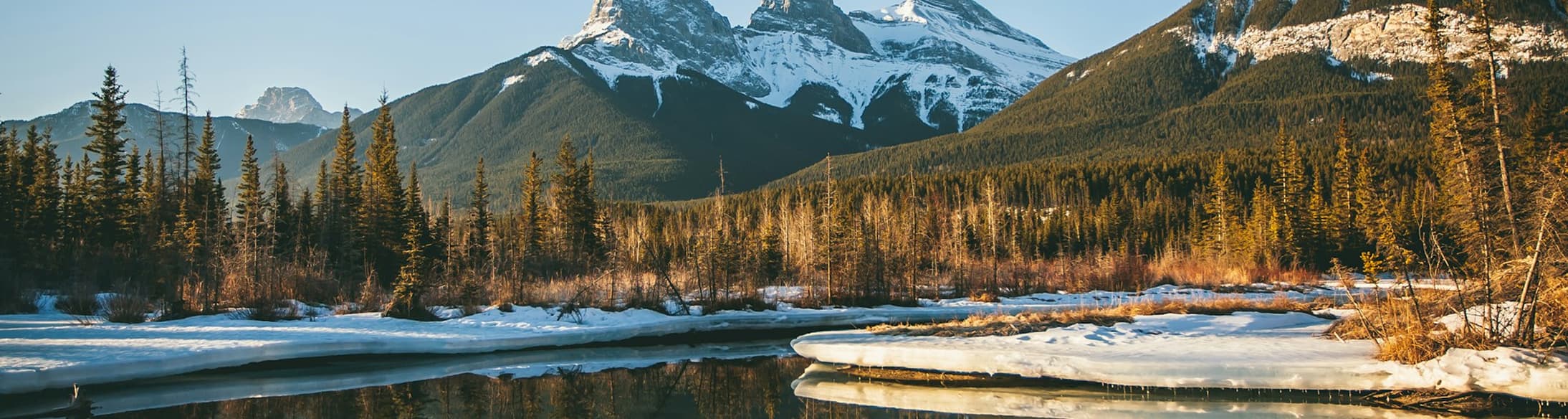
Tucked into the heart of the Canadian Rockies, Jasper, Alberta, is where alpine beauty meets small-town charm. From the mirror-still lakes to snow-kissed peaks, this national park inspires a slower pace and a deeper connection to nature.
With Parks Canada-protected wilderness and year-round activities, Jasper offers something for every kind of traveller, whether you’re chasing the northern lights, hiking glacier trails, or relaxing fireside at a cozy mountain lodge. Let our travel experts help you plan a trip that’s as effortless as it is unforgettable.
With Parks Canada-protected wilderness and year-round activities, Jasper offers something for every kind of traveller, whether you’re chasing the northern lights, hiking glacier trails, or relaxing fireside at a cozy mountain lodge. Let our travel experts help you plan a trip that’s as effortless as it is unforgettable.


Let a Jasper Expert Plan Your Perfect Trip
- verified Best price guarantee
- verified Tailored recommendations
- verified Insider tips and hidden gems
Why You'll Love Jasper
Top Jasper Hotels
Sort By:





Hotel prices are based on double occupancy
My Travel Dream Gives You an Itinerary in Minutes
With three selections, you'll have a full itinerary for your upcoming trip in just seconds. And even if you're not sure where you want to go, we'll provide plenty of options to inspire your travel dreams.
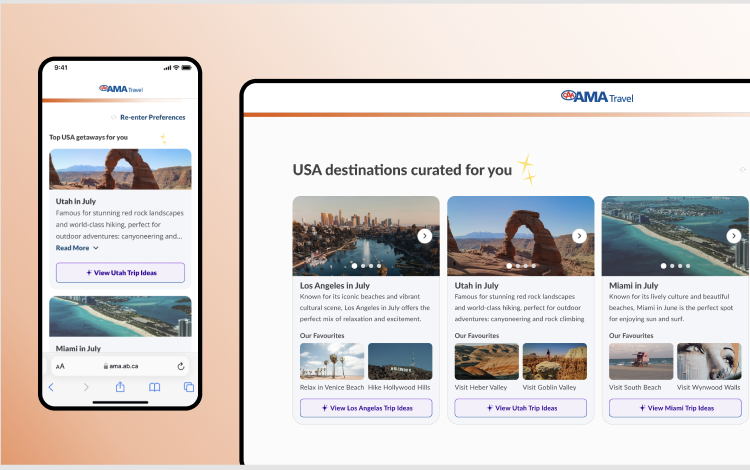
1
Tell Us About Your TripChoose your destination, travel dates, and who's going, so we can personalize your experience.
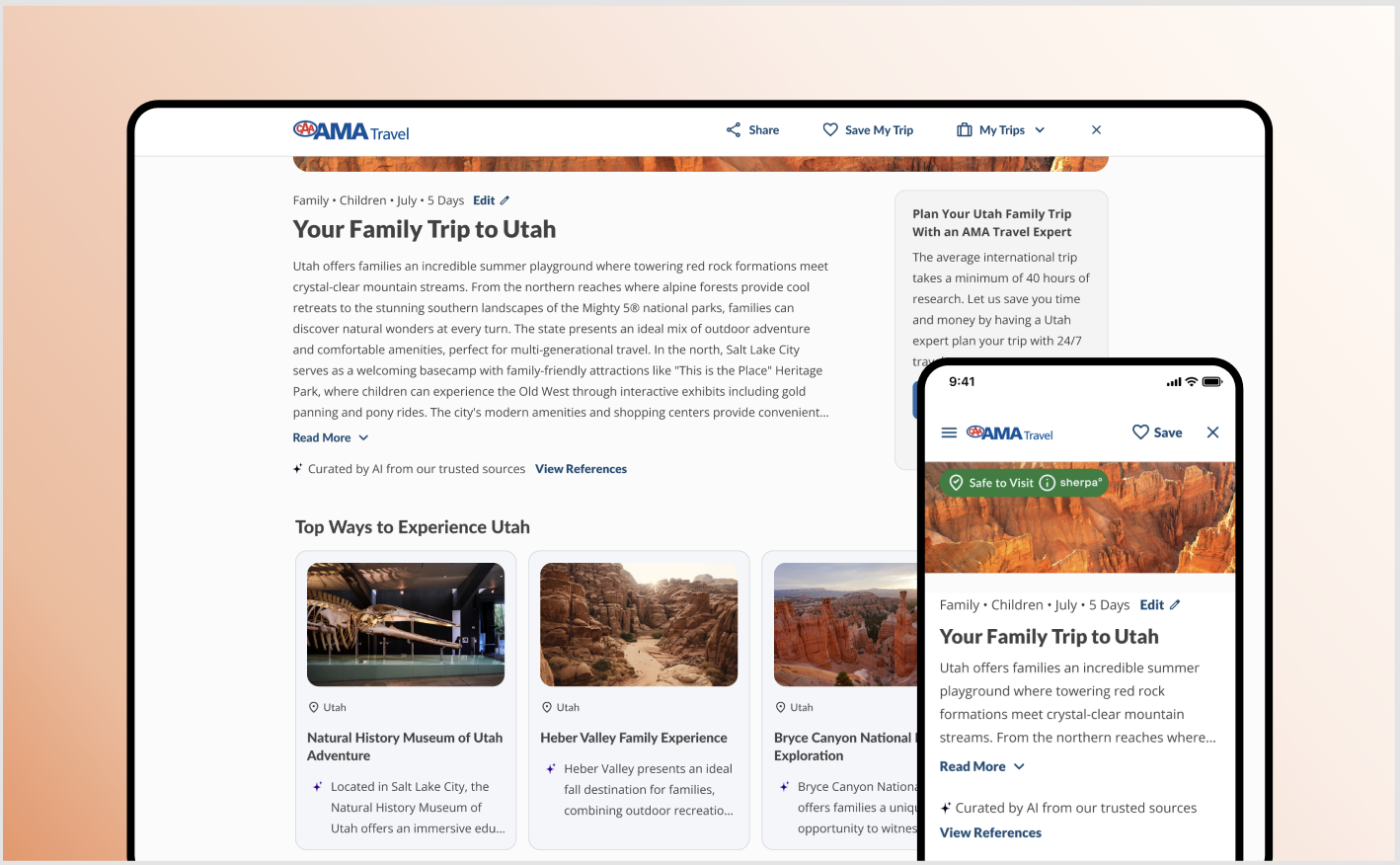
2
Get a Tailored ItineraryExplore custom trips with curated activities, experiences, and a suggested schedule.
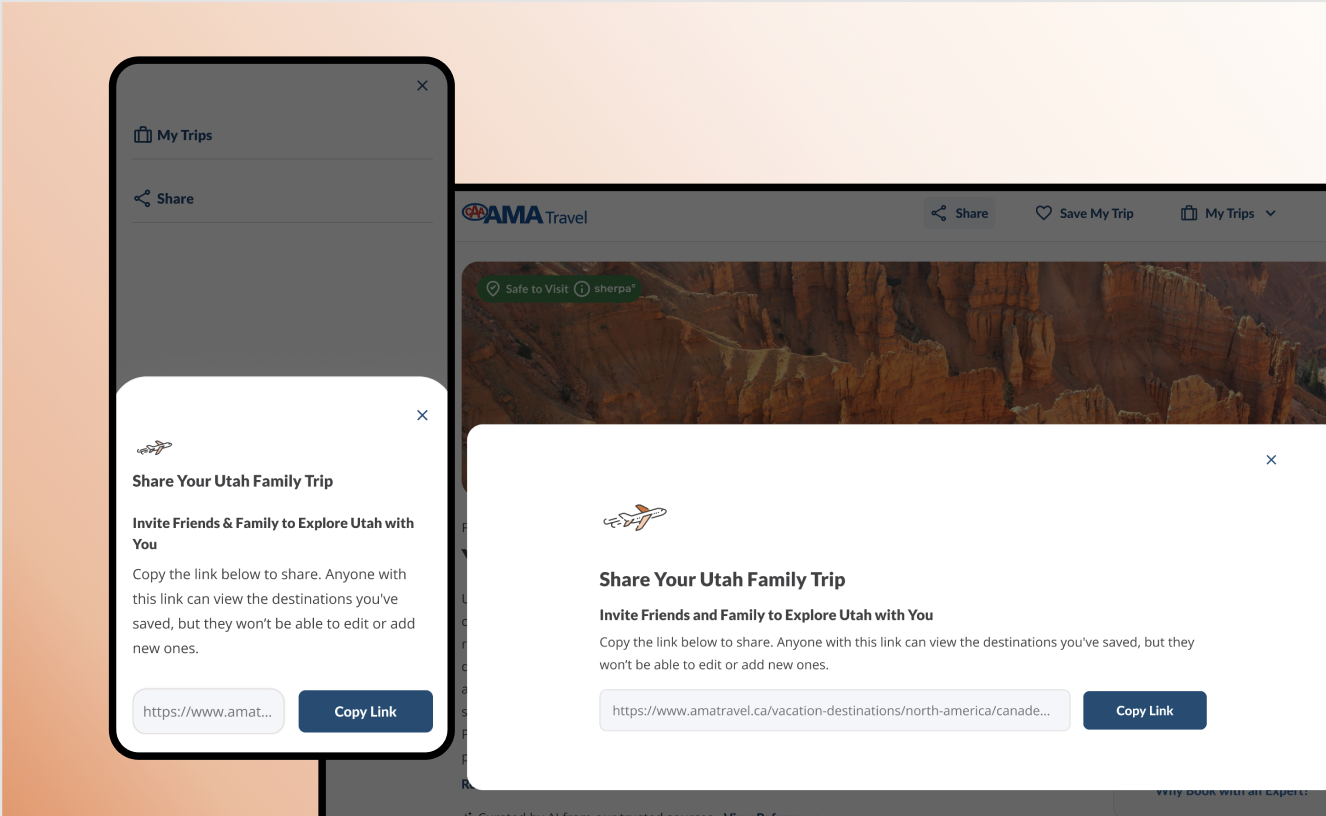
3
Save & Book with EaseSave your favorites and book a consultation with our expert travel advisors to finalize your perfect trip.
Top Activities in Jasper
Sort By:


Why book your Jasper trip with AMA?

Member-exclusive benefits
- 40% off airport parking at Edmonton and Calgary
- Up to 20% off North American hotel deals
- 10% off Travel Insurance packages
social_leaderboard
Our Expertise
Many of our travel agents hold industry-recognized certifications and training, giving you trusted advice, exclusive perks, and peace of mind with every booking.
sentiment_calm
Stress free planning
From travel insurance to last-minute changes, you'll always have a real person to call—before, during, and after your trip.
1-on-1
Personalized Trip Planning
Experienced travel experts will bring firsthand knowledge to your itinerary. From iconic attractions to hidden gems, they’ll help you build a journey tailored just for you.+96%
Customer Satisfaction Rate
When it comes to ease of booking, the likelihood of recommending, and overall satisfaction, AMA Travel achieves a +96% satisfaction rate from our clients.Guides to Exploring Jasper






















Jasper FAQ
Highway 16 from Edmonton provides year-round access to Jasper, typically taking 3.5 to 4 hours. The Icefields Parkway (Highway 93) from Lake Louise offers stunning scenery but can have intermittent closures for avalanche control, particularly from November to May. Highway 93A provides an alternate route through some areas. In winter, winter tires are legally required on parkways, and you should check 511 Alberta and Parks Canada road reports before departure. Chain-up areas are available, and sudden weather changes can impact travel times significantly. For real-time conditions, the Parks Canada website and social media channels provide updates on closures, construction, and wildlife on roads.
Late September through early October offers excellent conditions with vibrant fall colours, fewer tourists, and generally stable weather before heavy snowfall begins. Late May and June also provide great opportunities, with melting snow creating powerful waterfalls, emerging wildlife, and lower accommodation prices. Wildlife viewing peaks in spring when animals are more active after winter. Weekdays are consistently quieter than weekends year-round. The absolute busiest periods are July, August, and holiday long weekends, when campgrounds and popular trails fill quickly. Winter visits from January through March offer exceptional opportunities for ice walks, skiing, and northern lights viewing with minimal crowds.
Year-round essentials include bear spray (strongly recommended for hiking), layers for temperature fluctuations, and a Parks Canada Discovery Pass. Even summer visits require warm clothing as temperatures drop significantly at higher elevations and after sunset. Rain gear is essential as mountain weather changes quickly. Bring a first aid kit, extra food and water beyond your planned needs, a physical map as cell service is limited, and a portable phone charger. Winter adds requirements for ice cleats, emergency blankets, and vehicle winter survival gear. Binoculars enhance wildlife viewing, and a headlamp proves useful for early starts or evening returns. Sunscreen and sunglasses are necessary year-round due to high elevation UV exposure.
Dawn and dusk offer prime viewing times when animals are most active, particularly along the Icefields Parkway, Maligne Lake Road, and Highway 16 east of town. Spring sees animals at lower elevations near roadways seeking fresh vegetation. Always maintain 100 metres from bears and wolves, 30 metres from elk and other large mammals. Never approach or feed wildlife, which endangers both you and the animals. Carry bear spray accessible on your hip, not buried in your pack, and know how to use it. Travel in groups on trails and make noise in areas with limited sightlines. During elk rutting season in fall, bulls become aggressive and unpredictable. Report aggressive wildlife behaviour or animals near infrastructure to Parks Canada immediately.
For easy family-friendly options, try Valley of the Five Lakes (4.5 km loop with minimal elevation gain), Annette Lake Loop (2.4 km), or the paved Path of the Glacier trail. Moderate hikers enjoy Sulphur Skyline (8 km return with 700m elevation gain offering panoramic views), Bald Hills (10.4 km with wildflower meadows), and Cavell Meadows when accessible (summer only due to snow). Advanced hikers should consider Skyline Trail (44 km multi-day backcountry route), Mount Edith Cavell East Ridge, or the Indian Ridge scramble beyond the main Whistlers Summit trail. Always check Parks Canada trail reports before heading out, as conditions change rapidly. Many trails have lingering snow into July, and afternoon thunderstorms are common in summer. Start early to avoid crowds and afternoon weather.
Pyramid Lake offers ice skating on a cleared rink with mountain backdrop views. Snowshoeing trails range from gentle lakeside paths to backcountry routes, with rentals available in town. Cross-country skiing at the Fairmont Jasper Park Lodge and Pyramid Bench trails provides groomed terrain. Ice climbing attracts experienced climbers to frozen waterfalls throughout the park. The Jasper Planetarium offers year-round dark sky experiences, particularly spectacular when northern lights are active. Fat biking has grown in popularity on packed snow trails. Wildlife viewing remains excellent in winter, with animals more visible against snow and congregating in valley bottoms.
Campground reservations open in January for the upcoming season through the Parks Canada reservation system, and popular sites like Whistlers and Wapiti fill within hours for July and August dates. Book exactly when reservations open if you have specific dates. Hotels and lodges should be booked three to six months ahead for summer visits. Consider staying in Hinton, 80 km east, for more availability and lower prices, though this adds driving time. Backcountry camping requires separate permits and reservations. For spontaneous trips, weekdays and shoulder seasons offer better availability. Private campgrounds near the park entrance provide additional options.
Cell coverage is limited to Jasper townsite and immediate surroundings. Most of the park, including the Icefields Parkway, Maligne Lake Road, and backcountry areas have no cell service. Download offline maps, trail information, and emergency contacts before leaving town. The Parks Canada app offers offline functionality for trail conditions and information. Some accommodations provide WiFi, but speeds can be slow during peak times. For serious emergencies in areas without coverage, satellite communication devices or personal locator beacons provide safety backup. Plan meeting times and locations with your group beforehand, as coordinating via phone will be impossible in most areas.
Jasper townsite offers diverse dining from casual cafes to upscale restaurants, though options are more limited than major cities. Reservations are strongly recommended for popular restaurants during summer months. Several grocery stores including a larger supermarket provide supplies, though selection is smaller and prices higher than urban centres. Stock up on groceries, snacks, and essentials before arriving or in Hinton to save money. Many accommodations include kitchenettes allowing meal preparation. Fast food options are limited compared to larger towns. For backcountry trips, purchase freeze-dried meals and camping food before arrival for better selection and pricing. During shoulder seasons and winter, some restaurants close or reduce hours, so check ahead.