Wyoming: The Ultimate Rocky Mountain Road Trip
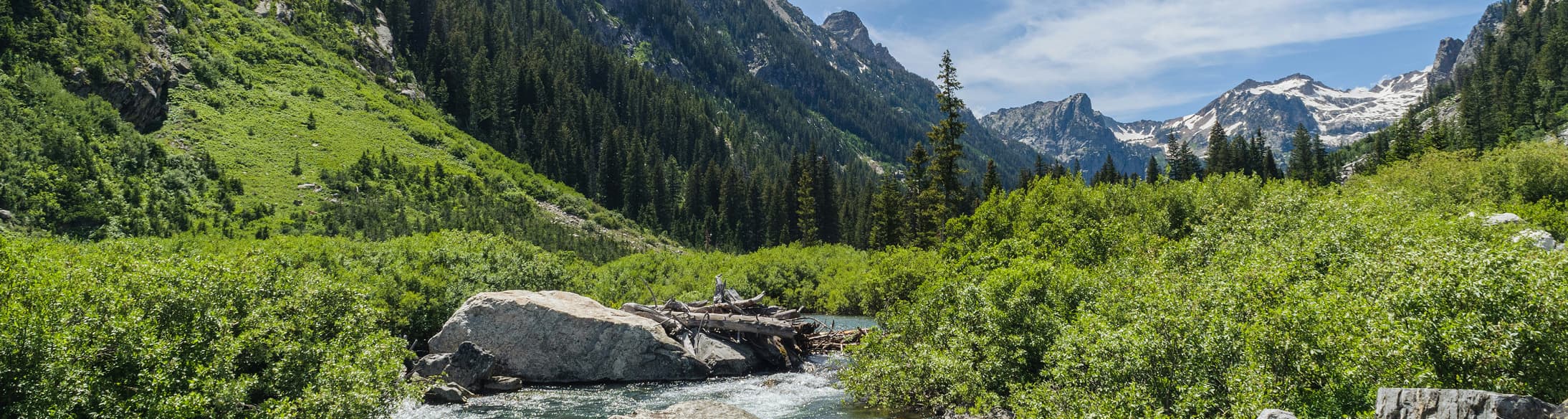
Wyoming is made for wide-open adventure, with iconic landscapes that range from Yellowstone’s geysers and wildlife habitats to the peaks of Grand Teton National Park and the striking profile of Devils Tower National Monument. The state also invites travellers into classic Western experiences, including rodeos, scenic byways, mountain towns, and historic sites that make road trips feel as memorable as the destinations themselves.
Whether you are dreaming of a national park adventure, a couples’ escape to Jackson, a family road trip through the Cowboy State, or a scenic getaway that mixes hiking, wildlife watching, and mountain views, Wyoming gives you room to travel at your own pace. With AMA Travel, you can find Wyoming hotel deals, vacation packages, car rentals, and practical advice on how to plan a trip that fits your style from start to finish.
Whether you are dreaming of a national park adventure, a couples’ escape to Jackson, a family road trip through the Cowboy State, or a scenic getaway that mixes hiking, wildlife watching, and mountain views, Wyoming gives you room to travel at your own pace. With AMA Travel, you can find Wyoming hotel deals, vacation packages, car rentals, and practical advice on how to plan a trip that fits your style from start to finish.


Let a Wyoming Expert Plan Your Perfect Trip
- verified Best price guarantee
- verified Tailored recommendations
- verified Insider tips and hidden gems
Why You'll Love Wyoming
Top Wyoming Hotels
Sort By:
Discover Vacation Packages to Wyoming
My Travel Dream Gives You an Itinerary in Minutes
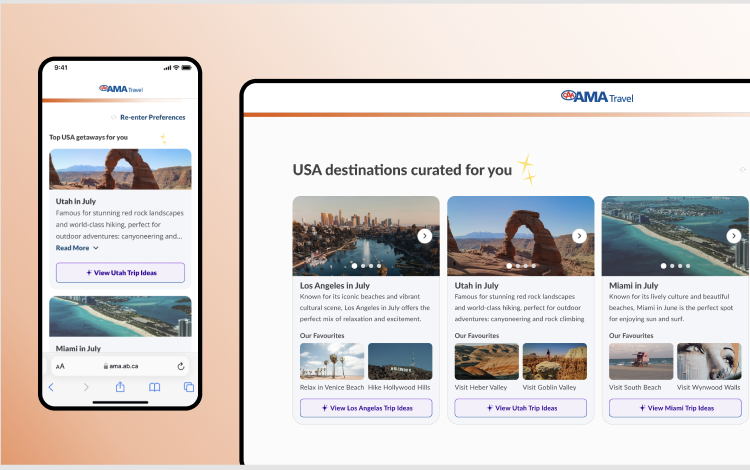
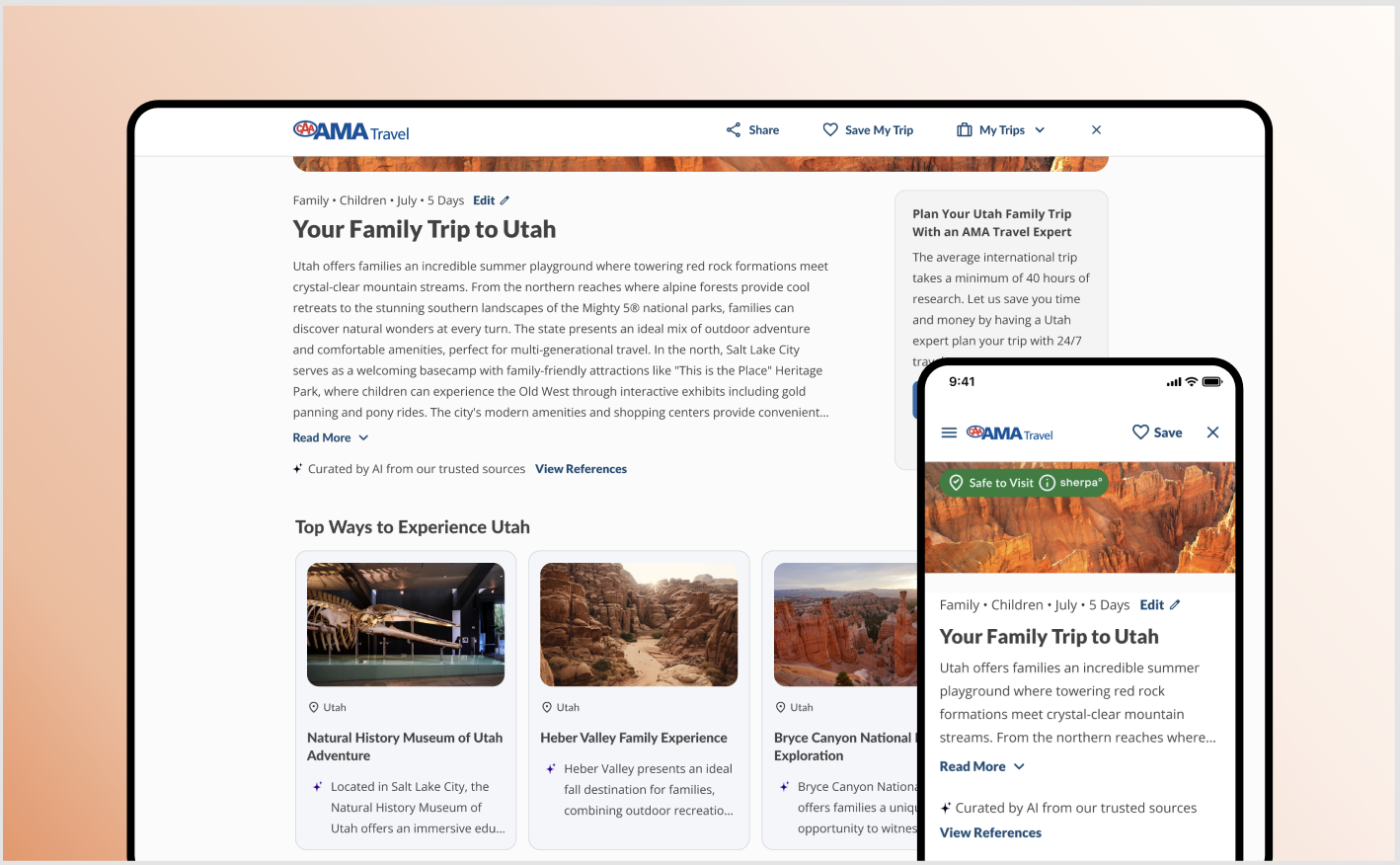
With three selections, you'll have a full itinerary for your upcoming trip in just seconds. And even if you're not sure where you want to go, we'll provide plenty of options to inspire your travel dreams.
1
Tell Us About Your TripChoose your destination, travel dates, and who's going, so we can personalize your experience.
2
Get a Tailored ItineraryExplore custom trips with curated activities, experiences, and a suggested schedule.
3
Save & Book with EaseSave your favorites and book a consultation with our expert travel advisors to finalize your perfect trip.
Top Activities in Wyoming
Sort By:
Why book your Wyoming trip with AMA?

Member-exclusive benefits
- 40% off airport parking at Edmonton and Calgary
- Up to 20% off North American hotel deals
- 10% off Travel Insurance packages
social_leaderboard
Our Expertise
Many of our travel agents hold industry-recognized certifications and training, giving you trusted advice, exclusive perks, and peace of mind with every booking.
sentiment_calm
Stress free planning
From travel insurance to last-minute changes, you'll always have a real person to call—before, during, and after your trip.
1-on-1
Personalized Trip Planning
Experienced travel experts will bring firsthand knowledge to your itinerary. From iconic attractions to hidden gems, they’ll help you build a journey tailored just for you.+96%
Customer Satisfaction Rate
When it comes to ease of booking, the likelihood of recommending, and overall satisfaction, AMA Travel achieves a +96% satisfaction rate from our clients.Guides to Exploring Wyoming







Wyoming FAQ
Wyoming is home to some of the most recognizable landscapes in the American West, including Yellowstone National Park, Grand Teton National Park, Devils Tower National Monument, Fossil Butte National Monument, and historic places like Fort Laramie. Travellers can also spend time in gateway towns such as Jackson, Cody, and Sheridan, or build a road trip around scenic routes and outdoor activities like hiking, wildlife viewing, fishing, skiing, and horseback riding. AMA Travel can help you pair the right basecamp, park access points, and sightseeing stops for the kind of trip you want.
All of Wyoming follows Mountain Time statewide. This makes trip planning simple as you move around the state. If your itinerary includes flights, park lodging, guided tours, or a longer self-drive route, AMA Travel can help you keep all the timing details organized.
Jackson is in northwestern Wyoming, just south of Grand Teton National Park and within reach of Yellowstone’s South Entrance. It is one of the country’s best-known mountain towns and often serves as a base for travellers who want a mix of outdoor adventure, upscale stays, Western character, and easy access to national park scenery. AMA Travel can help you decide whether Jackson should be your main home base or one stop on a broader Wyoming itinerary.
Cheyenne is in southeastern Wyoming near the Colorado border and is the state capital. It is known for its Western heritage, railroad history, and events like Cheyenne Frontier Days, which adds a classic rodeo and festival experience to any summer trip. Cheyenne can work well as a first or last stop on a Wyoming road trip depending on your flight path or driving route.
Devils Tower is in northeastern Wyoming, rising dramatically from the surrounding prairie and Black Hills region. It is one of the most recognizable natural landmarks in the United States and makes a memorable stop for travellers interested in geology, hiking, Indigenous cultural significance, and scenic road-trip experiences. AMA Travel can help you decide whether to visit Devils Tower as a day trip or pair it with a longer northern Wyoming itinerary.
You'll need a valid Canadian passport, your driver's license, and vehicle registration. If you're driving a vehicle that isn't registered in your name, bring a letter of permission from the owner. Ensure you have adequate vehicle insurance that covers travel in the United States. Most Canadian auto insurance policies provide coverage in the US, but confirm with your provider before departure. It's also wise to carry proof of insurance and have your policy number accessible. US border officials may ask about your travel plans, so have hotel confirmations or a general itinerary ready to show.
Late spring (May to June) and early fall (September to early October) offer the best balance of pleasant weather, wildlife activity, and manageable crowds. Summer (July to August) is peak season with warm temperatures but heavy traffic and crowded trails. Winter transforms the parks into snowy wonderlands ideal for snowmobiling and cross-country skiing, though many roads close and services are limited. Spring brings wildflowers and active wildlife as animals emerge from hibernation, while fall offers stunning foliage and elk rutting season. Plan around your priorities, whether that's hiking accessibility, wildlife viewing, or avoiding crowds.
The drive from Calgary to Yellowstone's north entrance near Gardiner, Montana is approximately 950 kilometers and takes about 10 to 11 hours of driving time. The most direct route follows Alberta Highway 2, which becomes Interstate 15 in the US. From Edmonton, add another 3 hours, making it roughly 13 to 14 hours total. Plan for at least one overnight stop to break up the journey, with Great Falls or Bozeman, Montana being popular options. Factor in border crossing time, which can add 15 minutes to over an hour depending on wait times and season. The drive offers scenic mountain views once you enter Montana.
Wyoming offers exceptional outdoor recreation throughout the state. The Bighorn Mountains provide excellent hiking, fishing, and camping with fewer crowds than the parks. Devils Tower National Monument offers unique rock climbing and hiking around the iconic geological formation. The Wind River Range is renowned for backcountry backpacking and alpine lakes. In winter, Jackson Hole and Grand Targhee ski resorts deliver world-class skiing and snowboarding. Hot springs like those in Thermopolis offer natural soaking experiences. The North Platte River system attracts fly fishing enthusiasts, while Flaming Gorge National Recreation Area provides boating, fishing, and red canyon scenery. Wyoming's vast public lands mean endless opportunities for mountain biking, horseback riding, and wildlife photography outside the famous park boundaries.
Wyoming hosts incredible wildlife including bison, elk, moose, bears (both black and grizzly), wolves, pronghorn antelope, and bighorn sheep. In Yellowstone and Grand Teton, wildlife sightings are common year-round. Safety requires maintaining proper distances: stay at least 100 yards from bears and wolves, and 25 yards from bison, elk, and moose. Carry bear spray in bear country and know how to use it. Never approach or feed wildlife, as animals can be unpredictable and dangerous despite appearing calm. Bison cause more injuries than bears due to tourists getting too close. Store food properly in bear-safe containers when camping. During spring and fall, be especially cautious around elk during calving and rutting seasons when they're more aggressive. Dawn and dusk offer the best wildlife viewing opportunities when animals are most active.
Allocate at least five to seven days to meaningfully explore both parks. Start in Jackson and spend two to three days in Grand Teton, covering Jenny Lake, Signal Mountain, and the scenic drives. Then head north through the John D. Rockefeller Jr. Memorial Parkway into Yellowstone's south entrance. Dedicate three to four days to Yellowstone, focusing on different areas: Old Faithful and the Upper Geyser Basin, the Grand Canyon of Yellowstone, Lamar Valley for wildlife, and Mammoth Hot Springs. The parks connect seamlessly, but require separate entrance passes. Book accommodations well ahead, whether camping or staying in lodges, as options fill months in advance for summer. Consider staying in different locations within Yellowstone to minimize driving, as the park's figure-eight road system covers over 140 miles. Download offline maps as cell service is limited throughout both parks.
Cody, located near Yellowstone's east entrance, offers nightly rodeos in summer, the Buffalo Bill Center of the West, and genuine cowboy culture. Sheridan in northern Wyoming features Western heritage, historic downtown charm, and access to the Bighorn Mountains. Lander serves as a gateway to the Wind River Range with a thriving climbing community and small-town atmosphere. Thermopolis boasts the world's largest mineral hot springs and dinosaur museums. Dubois provides a quieter alternative to Jackson with stunning Absaroka Mountain scenery and excellent wildlife viewing. Laramie combines university town culture with frontier history and easy access to Medicine Bow National Forest. These towns offer more affordable lodging than Jackson and provide authentic interactions with local ranching and cowboy culture.
Wyoming's high elevation ranges from 3,000 to over 13,000 feet, which can cause altitude sickness symptoms like headaches, fatigue, and shortness of breath. Stay hydrated, take it easy the first day, and allow your body time to acclimatize. Weather is highly variable and can change rapidly, especially in the mountains. Summer days may be warm but nights drop significantly, often near freezing at higher elevations even in July. Always pack layers including warm clothing, rain gear, and sun protection. Afternoon thunderstorms are common in summer, particularly in the mountains, so plan hikes for morning hours. Winter brings extreme cold and heavy snow with wind chills well below zero. Spring and fall can see sudden snowstorms. UV exposure is intense at high altitude, so use strong sunscreen and wear sunglasses and hats.